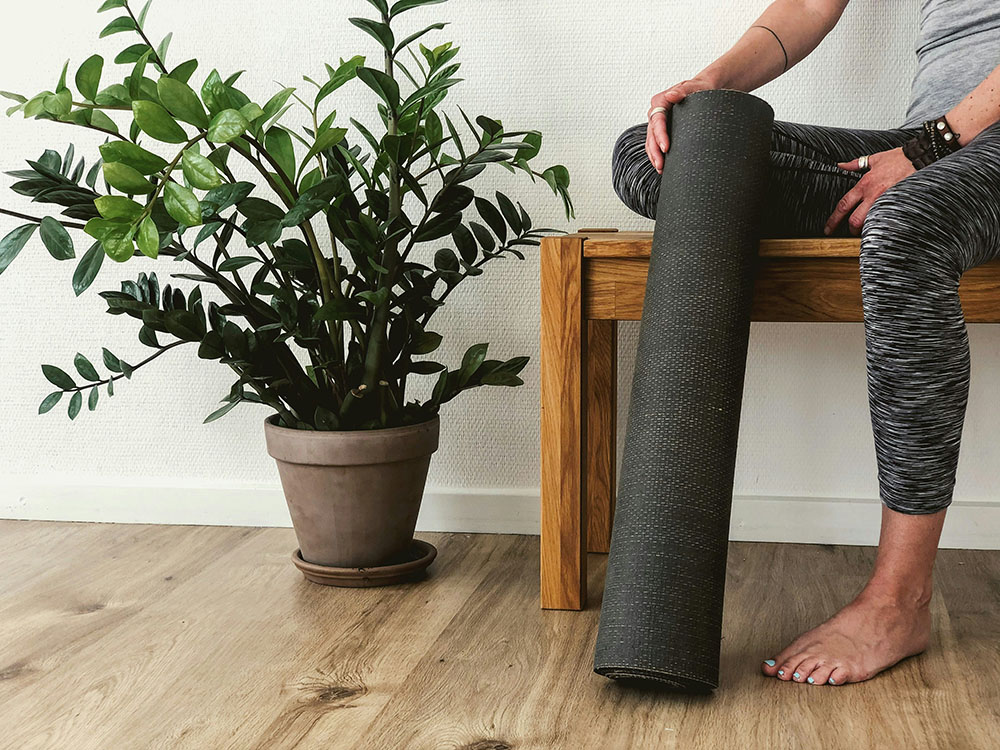
Starting a yoga practice is easy. Sticking with it is the real challenge.
Many people begin their yoga journey full of motivation, only to find themselves skipping sessions after a few days or weeks. Busy schedules, lack of accountability, distractions at home, and unrealistic expectations often make consistency difficult.
The good news is that building a sustainable home yoga practice doesn't require hours of free time, expensive equipment, or advanced flexibility. What it does require is a practical approach that fits your lifestyle and supports long-term consistency.
In this guide, you'll learn how to create a home yoga practice that becomes a natural and enjoyable part of your daily routine.
Why Practice Yoga at Home?
Home yoga offers several advantages:
- Complete flexibility in scheduling
- No commuting time
- Privacy and comfort
- Lower cost than studio memberships
- Ability to practice at your own pace
- Easier integration into daily life
When done consistently, a home practice can be just as effective as attending regular classes.
Start Small, Not Ambitious
One of the biggest mistakes beginners make is setting unrealistic goals.
Many people start with intentions like:
- "I'll do yoga for an hour every day."
- "I'll practice six days a week."
- "I'll master advanced poses in a month."
These goals often lead to burnout.
Instead, start with:
- 10 minutes a day
- 3–4 sessions per week
- Simple beginner-friendly poses
Consistency beats intensity.
A 10-minute practice done regularly is far more beneficial than a 60-minute session that happens once every two weeks.
Create a Dedicated Yoga Space
You don't need an entire yoga studio at home.
A small corner is enough.
Your yoga space should ideally have:
- A yoga mat
- Good ventilation
- Natural light if possible
- Minimal distractions
- Enough room to stretch comfortably
When you consistently practice in the same location, your brain begins associating that space with relaxation and movement.
This makes it easier to develop a habit.
Schedule Yoga Like an Appointment
Most people don't skip important meetings because they're scheduled.
Treat your yoga practice the same way.
Choose a specific time:
Morning Yoga
Benefits:
- Boosts energy
- Improves focus
- Establishes a positive mindset
Evening Yoga
Benefits:
- Relieves stress
- Releases tension
- Improves sleep quality
The best time is simply the time you'll consistently practice.
Put it on your calendar and protect that time.
Focus on Building the Habit First
Many beginners worry about:
- Perfect alignment
- Advanced poses
- Long sessions
Instead, focus on showing up.
Even if your practice looks like:
- 5 minutes of stretching
- 3 rounds of Sun Salutations
- Simple breathing exercises
You're reinforcing the habit.
Success isn't measured by how long you practice but by how often you return to the mat.
Choose a Realistic Routine
A sustainable yoga practice should fit your lifestyle.
Example Beginner Routine
Monday:
- 15-minute full-body stretch
Tuesday:
- 10-minute breathing practice
Wednesday:
- 20-minute yoga flow
Thursday:
- Rest day
Friday:
- 15-minute flexibility session
Saturday:
- 20-minute strength-focused yoga
Sunday:
- Gentle recovery yoga
This balanced approach is easier to maintain long-term.
Follow Guided Classes
Many people quit because they don't know what to do on the mat.
Guided classes provide:
- Structure
- Motivation
- Proper sequencing
- Progression
Following experienced instructors can make your home practice feel more engaging and effective.
Set Clear Goals
Ask yourself why you want to practice yoga.
Your goals might include:
- Better flexibility
- Stress reduction
- Weight management
- Improved posture
- Increased energy
- Better sleep
- Spiritual growth
Having a clear reason helps maintain motivation when enthusiasm naturally fluctuates.
Make It Enjoyable
You don't need every yoga session to be serious.
Try:
- Practicing outdoors
- Playing calming music
- Exploring different yoga styles
- Trying new sequences
- Practicing with friends or family
The more enjoyable yoga feels, the more likely you'll continue.
Track Your Progress
Progress in yoga isn't only about advanced poses.
Track improvements such as:
- Better sleep
- Increased flexibility
- Reduced stress
- Improved balance
- More energy
- Enhanced focus
Keeping a simple journal can help you recognize how far you've come.
Don't Aim for Perfection
Many people stop practicing because they miss a few days.
Remember:
Missing one session doesn't ruin your progress.
The key is returning to your practice without guilt.
Think of yoga as a lifelong journey rather than a short-term challenge.
Consistency over months and years matters far more than perfection.
Include Pranayama and Meditation
Yoga is much more than physical postures.
Adding breathing exercises and meditation can significantly enhance your practice.
Simple additions include:
Nadi Shodhana
Alternate nostril breathing for calmness and focus.
Bhramari
Humming bee breath for relaxation.
Mindfulness Meditation
5–10 minutes of observing the breath.
These practices require little space and can be done even on busy days.
Overcome Common Obstacles
"I Don't Have Time"
Start with 5–10 minutes.
Even a short practice provides benefits.
"I'm Not Flexible"
Flexibility is a result of yoga, not a requirement.
"I Missed Several Days"
Simply begin again.
Consistency is built through returning, not perfection.
"I Get Bored"
Explore different yoga styles:
- Hatha Yoga
- Vinyasa Yoga
- Yin Yoga
- Ashtanga Yoga
- Restorative Yoga
Variety can keep your practice fresh and exciting.
Signs Your Home Practice Is Working
You may notice:
- Reduced stress
- Better posture
- Improved mobility
- Greater patience
- Enhanced concentration
- More energy throughout the day
- Better sleep quality
Often, the mental and emotional benefits appear before dramatic physical changes.
Find Guidance Through Yogashala.in
While practicing at home offers flexibility, learning from experienced teachers can significantly improve your progress.
Yogashala.in is a dedicated yoga platform that connects practitioners with certified yoga teachers, yoga schools, workshops, retreats, meditation programs, and wellness communities across India.
Whether you're a complete beginner or an experienced yogi, Yogashala.in can help you discover classes, instructors, and resources that support a consistent and meaningful yoga practice.
The platform makes it easier to stay motivated, learn proper techniques, and deepen your understanding of yoga beyond the physical postures.
Final Thoughts
The secret to a home yoga practice that actually sticks isn't motivation—it's simplicity and consistency.
Start small. Create a dedicated space. Practice regularly. Let go of perfection. Focus on building a sustainable habit rather than chasing quick results.
Over time, those few minutes on the mat can transform your flexibility, strength, focus, and overall well-being. Most importantly, you'll develop a practice that supports you through every stage of life.